Why analyzing losses is mainstream?

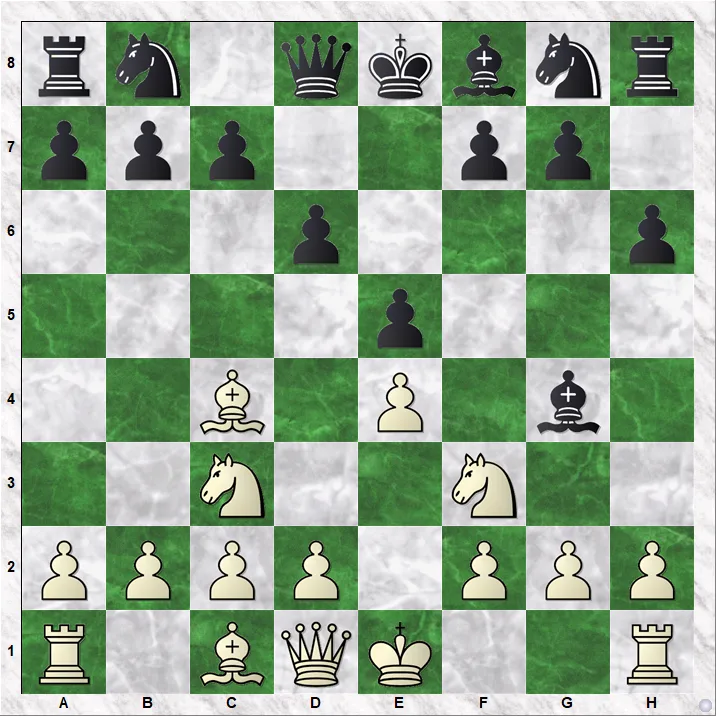
Last time we spoke about analyzing our wins. Today let's go back to basics: why is analyzing losses so mainstream? When I asked myself that question, one idea came to mind: when we win, we might have played a perfect game, and then there is nothing to analyze. For example, we may simply deliver Légal's mate. We already know everything about it, so what is there to analyze? But if we lose, we certainly made a mistake somewhere!
Let's dive into the examples!
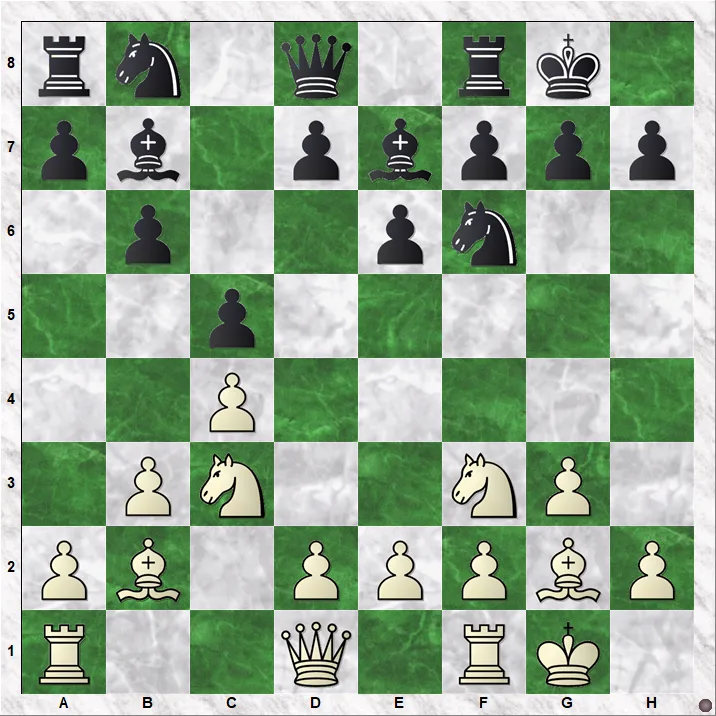
Now the game that I lost. Recently I played a rapid tournament in Osečina, and in round 5, after scoring well in the first four rounds, I faced Grandmaster Kostić from Serbia with the Black pieces.
White opened with 1.Nf3, and after some moves we reached the following position:
Here are the games as a Lichess study, where you can play through the moves.
First, the famous Légal's mate:
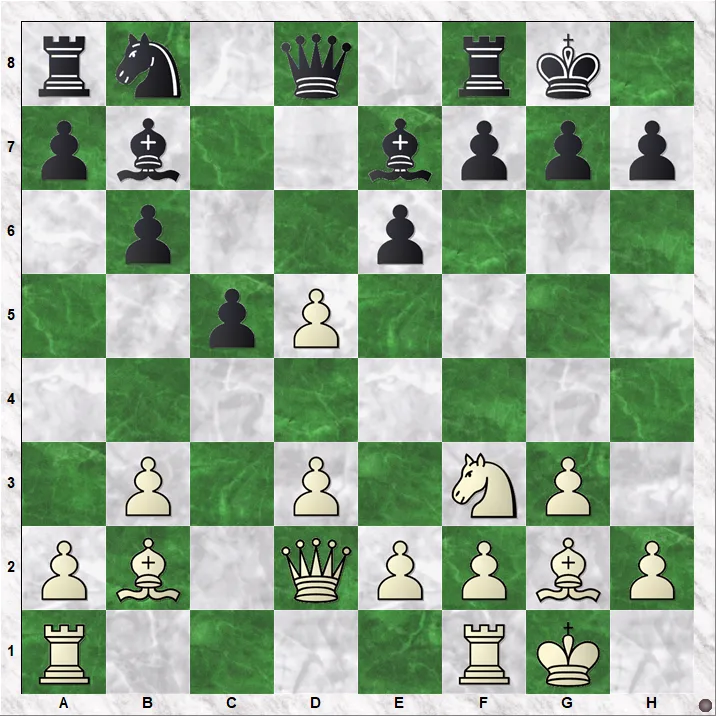
The game with GM Kostić, which we started to analyze: