Why should we analyze even the blitz games we won?

Nine days ago, on July 20th, I played a blitz tournament in Belgrade. The Serbia Open was taking place at the time, and since it was the final qualification blitz that evening, the field was stacked. I scored 8.5/11—a result I was really satisfied with, especially coming off a tough classical tournament in Zenica where I dropped below 2300 for the first time in six years.
What I want to emphasize in today’s post is that we need to analyze our games even when we win.
It’s easy to argue that if we won, we played well. But that’s like claiming you’ve mastered a university subject just because you passed an exam after answering three specific questions out of forty. You were up to the task that day, and you answered the questions put in front of you—but with a different draw of questions, the result could have looked very different.
In chess, your opponent might not test your blind spots, but the next player will. There is almost always room for improvement, especially in the opening. By analyzing our wins, we spot where our preparation was lacking and make sure we’re ready for the next test.
To give you a closer view of what I mean, let’s take a look at an example.
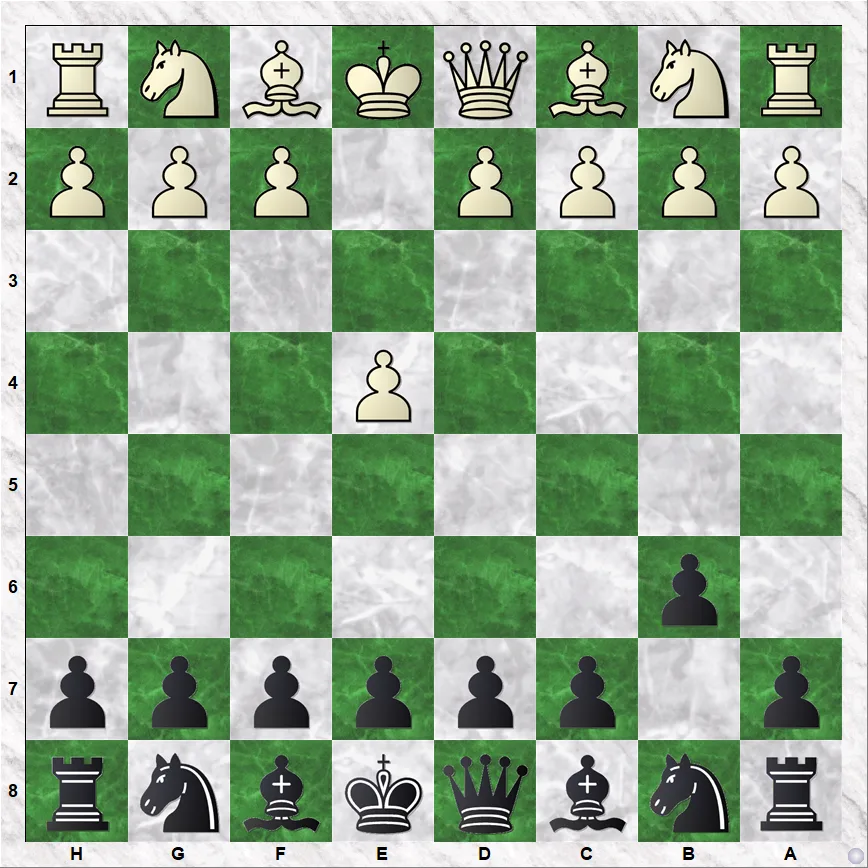
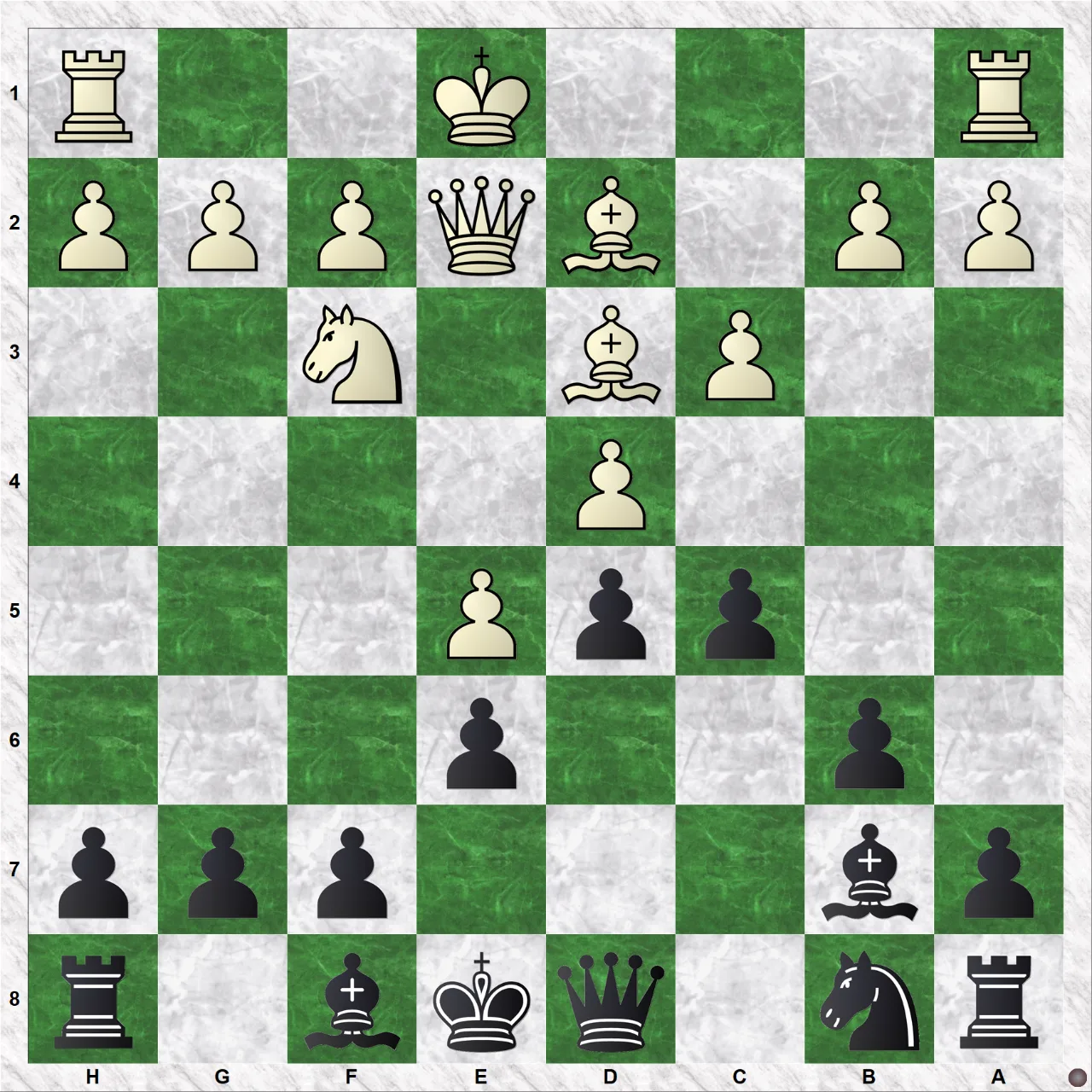
I knew the theory until this moment, and I knew that I have a plan to attack b5 pawn
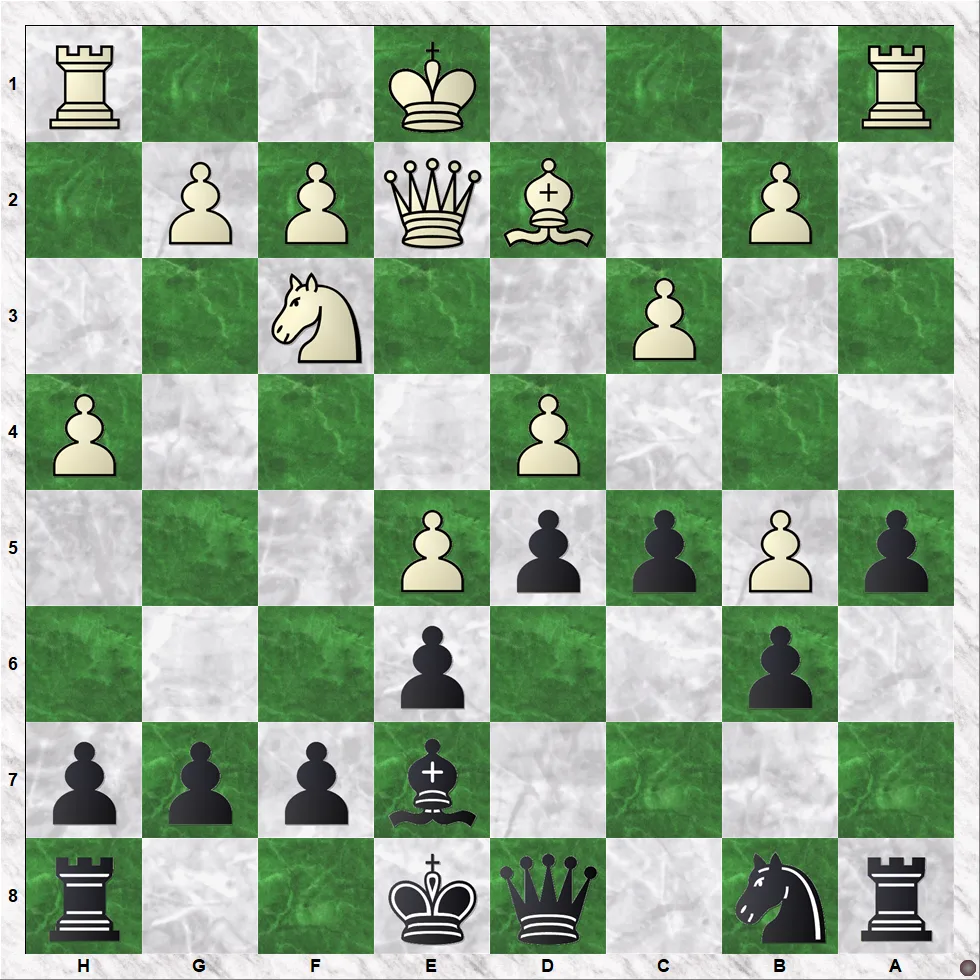
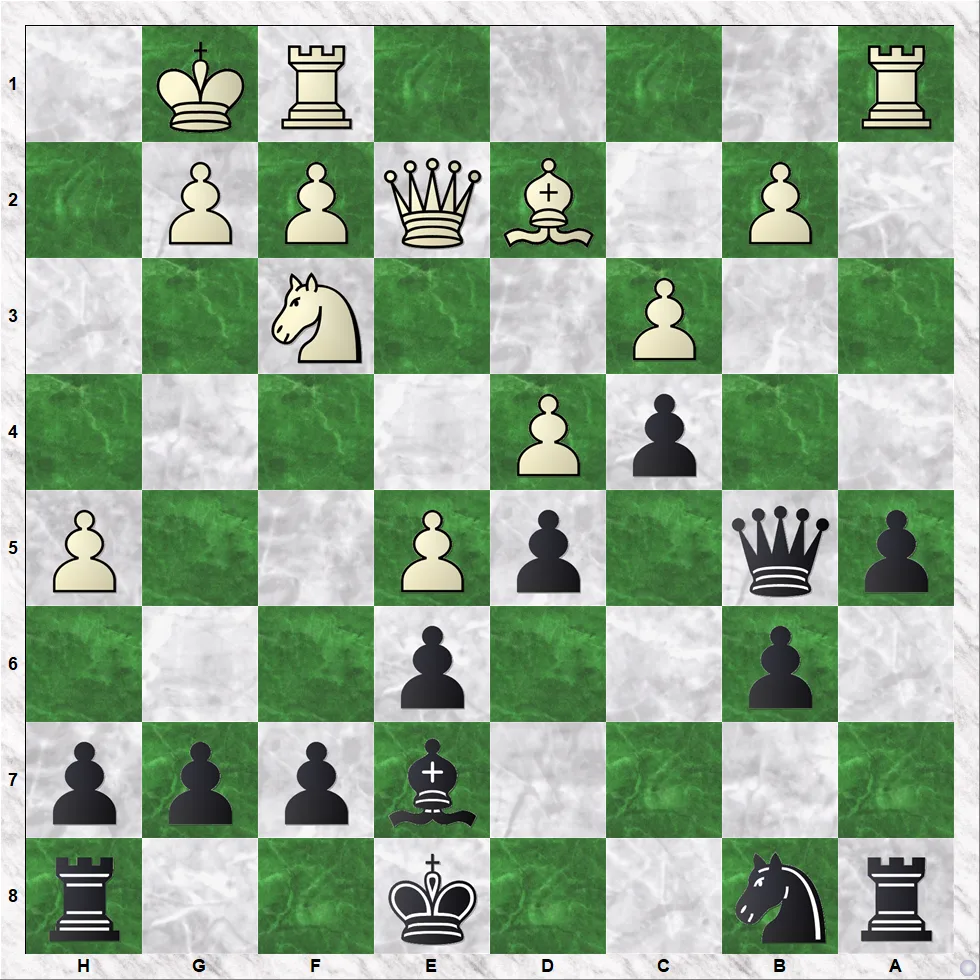
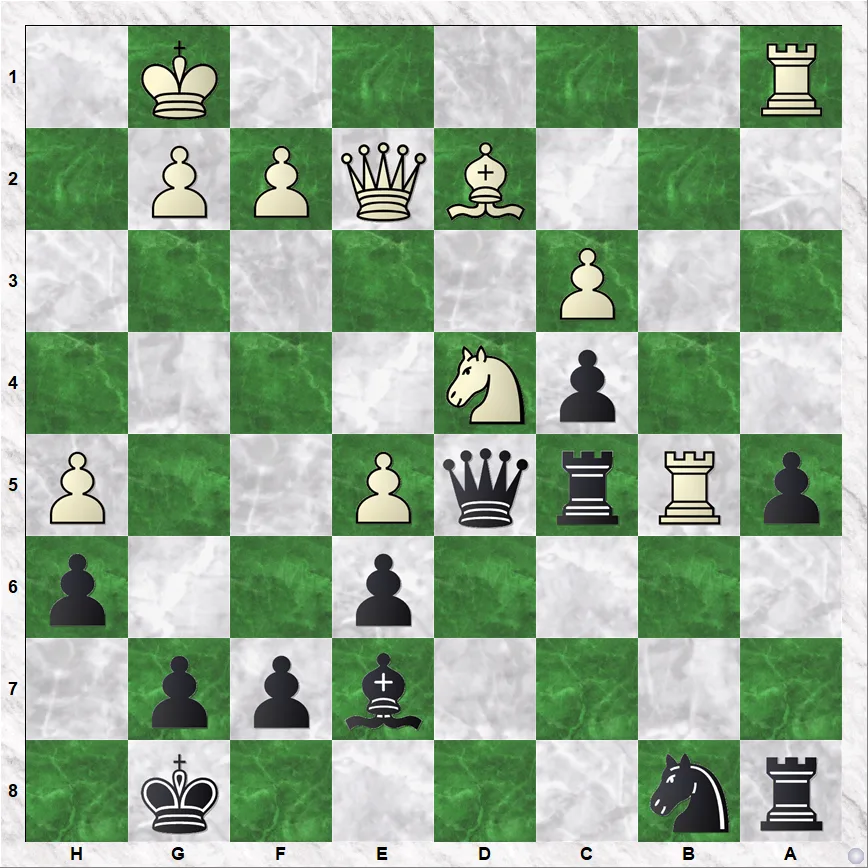
I was quite happy with how it went, believing I had played well and deserved the victory. But thanks to at least one good habit left over from my years in competitive chess, as soon as I got home, I tried to reconstruct as much of the blitz games as I could remember, mostly in order to improve the openings!
There were some real surprises waiting for me!
Let's go back to the move 13...Qd7
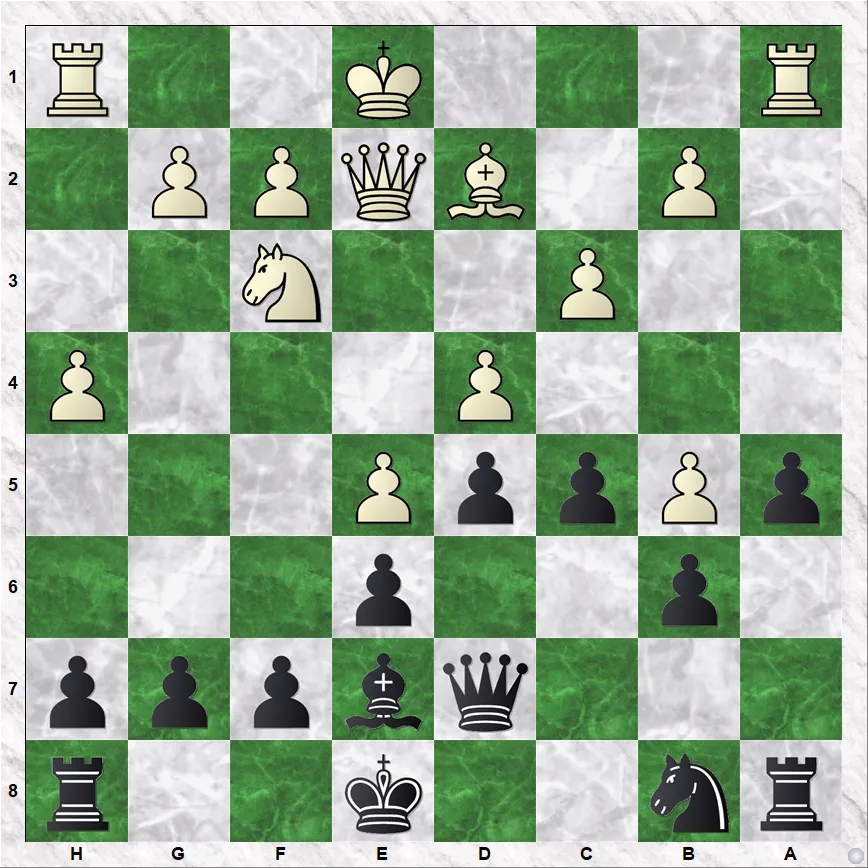
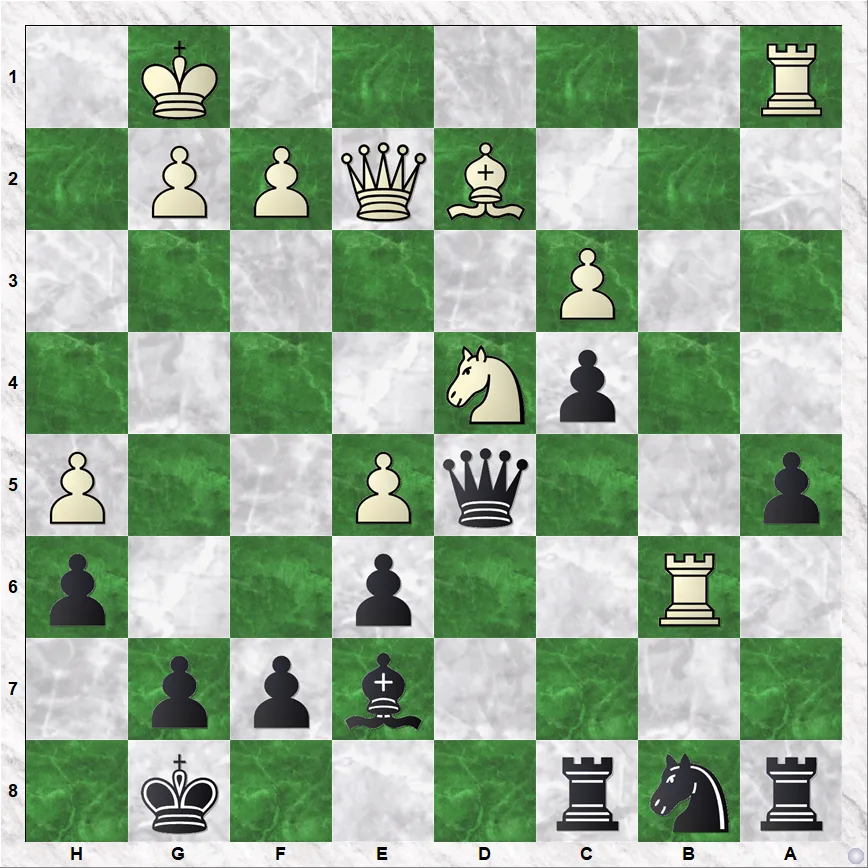
Here is the game as a Lichess study, where we can actually make a moves:
So, dear reader, the next time you're analyzing, don't forget to analyze your victories too!