Mate in two moves
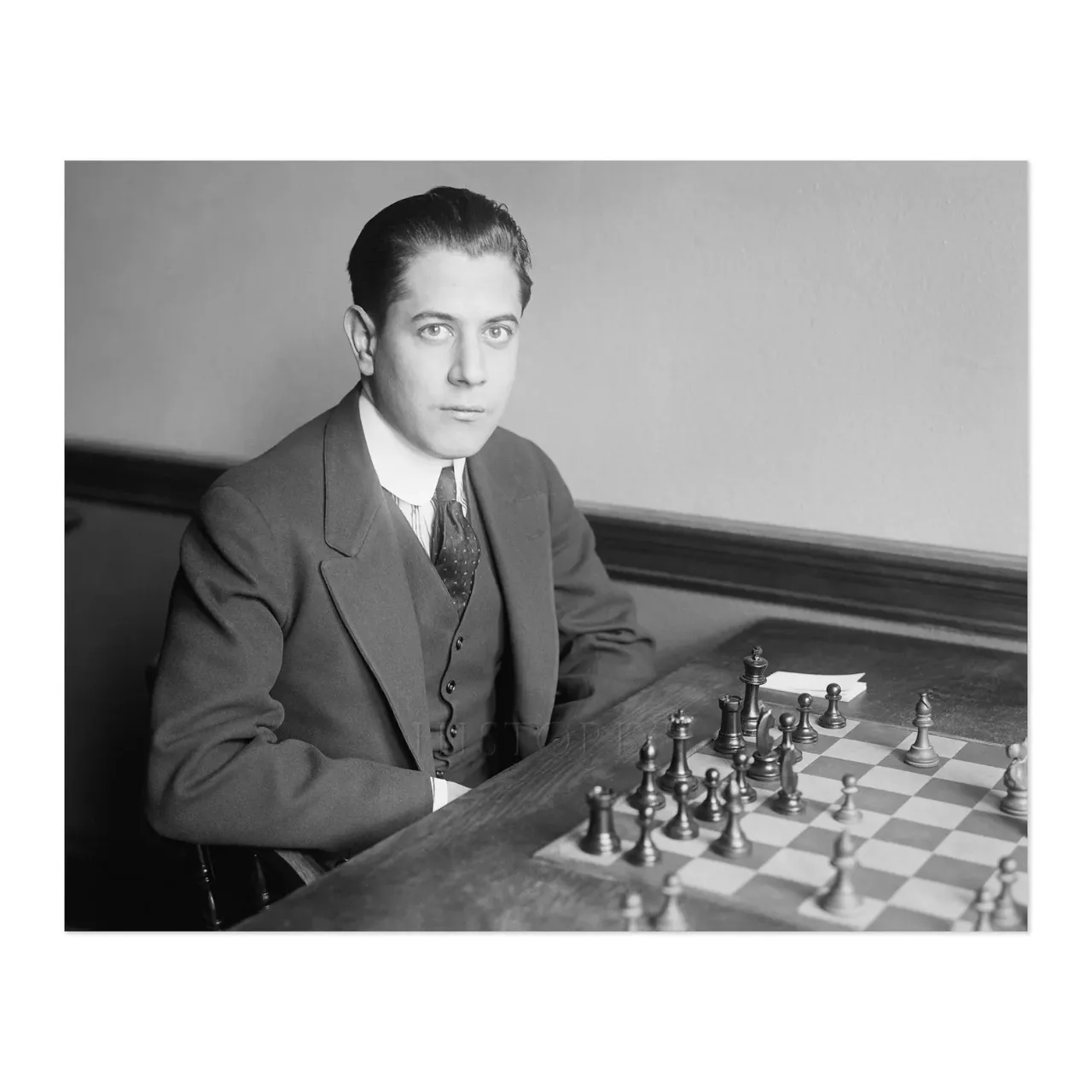
Chess players are frequently asked how many moves they can look ahead. Their responses generally fall into two categories: pragmatic answers focusing on an average or maximum number, and more philosophical reflections. Let's look at an example of each approach. Below is an excerpt highlighting the perspective of the first and longest-reigning Women's World Champion, who held the crown from 1927 until her death in 1944 (a title Judit Polgar famously never competed for):
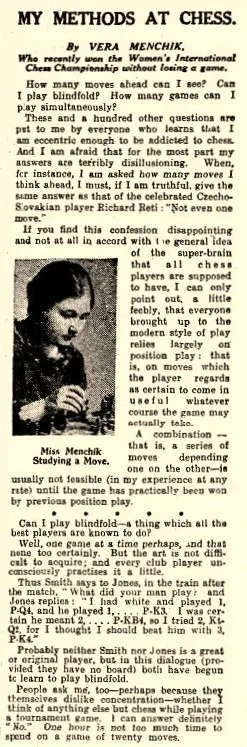
"When my students ask me how many moves ahead a master can see, I tell them the following story: During an international tournament in which the great Capablanca played, a newspaper reporter asked 'Capa' how many moves ahead he could see. It seems the reporter had read somewhere that a grandmaster could see as many as 30 moves ahead. Capablanca very modestly replied, 'Not quite 30, but about 20.'
His next opponent was Charles Jaffe—a fine player, but by no means in Capablanca's class. In this encounter, after working out a winning position, Capablanca failed to make the best move. Jaffe promptly took advantage by sacrificing his queen, and eventually, his famous opponent resigned. (Incidentally, this was the only game Capablanca lost during that tournament.)
This naturally created a great furor, and the same reporter went to visit Jaffe. He asked him the same question: how many moves could he see ahead? Jaffe calmly answered, 'Two moves ahead.'
'What!' cried the reporter. 'Impossible! Your famous opponent told me before the game started that he could see about 20 moves ahead.'
'Did he?' Jaffe said calmly. 'I still insist that I can see only two moves ahead—but two good ones.'"
Today, we want to focus a bit more on that second approach and explore how we can train it. Solving "mate-in-two" exercises gives us a fantastic opportunity to practice short-range calculation.
By practicing these puzzles, we develop our ability to calculate brief variations while fully accounting for our opponent's resources. Ultimately, this precision is what eliminates blunders. Mate-in-two problems are perfectly suited for training the art of calculating short lines with absolute accuracy. Today, we will focus specifically on positions with only a few pieces left on the board.
They are basically simpler, but it might happen that, even after thinking for a long time, one does not see the solution. When that happens, you have to check out every possible move.
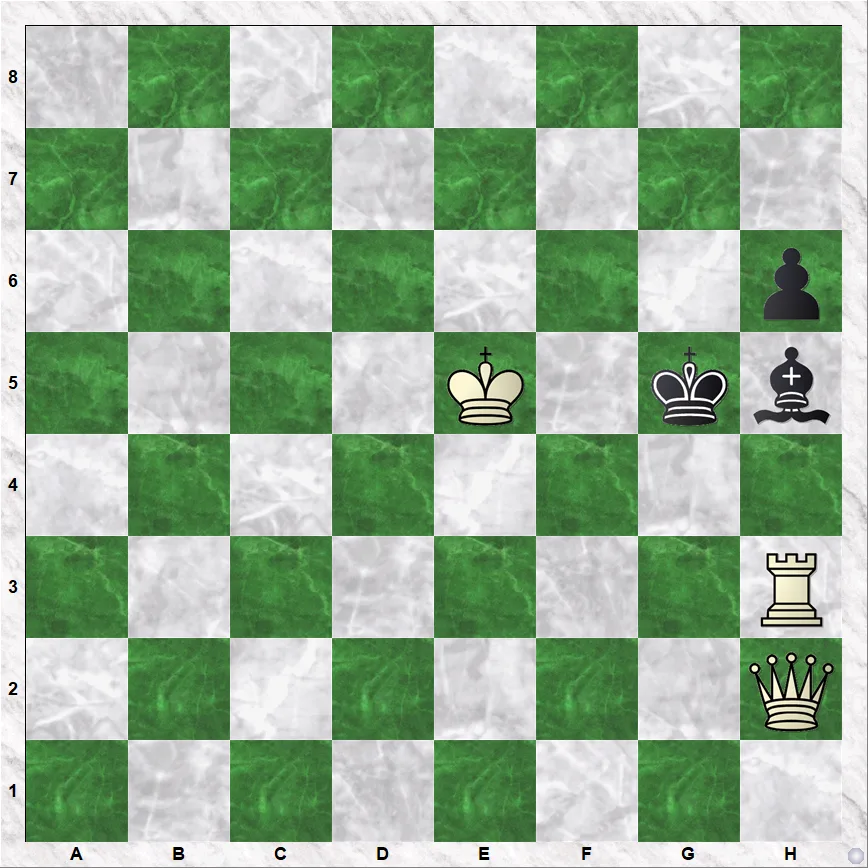
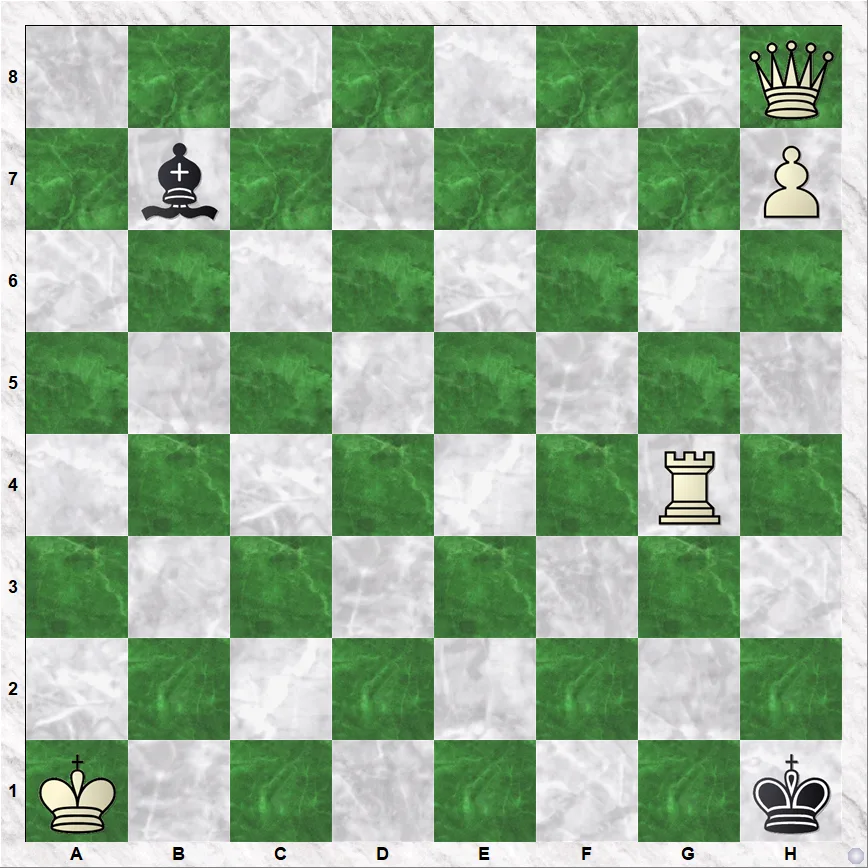
Here are another three examples with mate in two moves. To find the solutions here, you need a little imagination (or a lot of patience). (Yusupov)
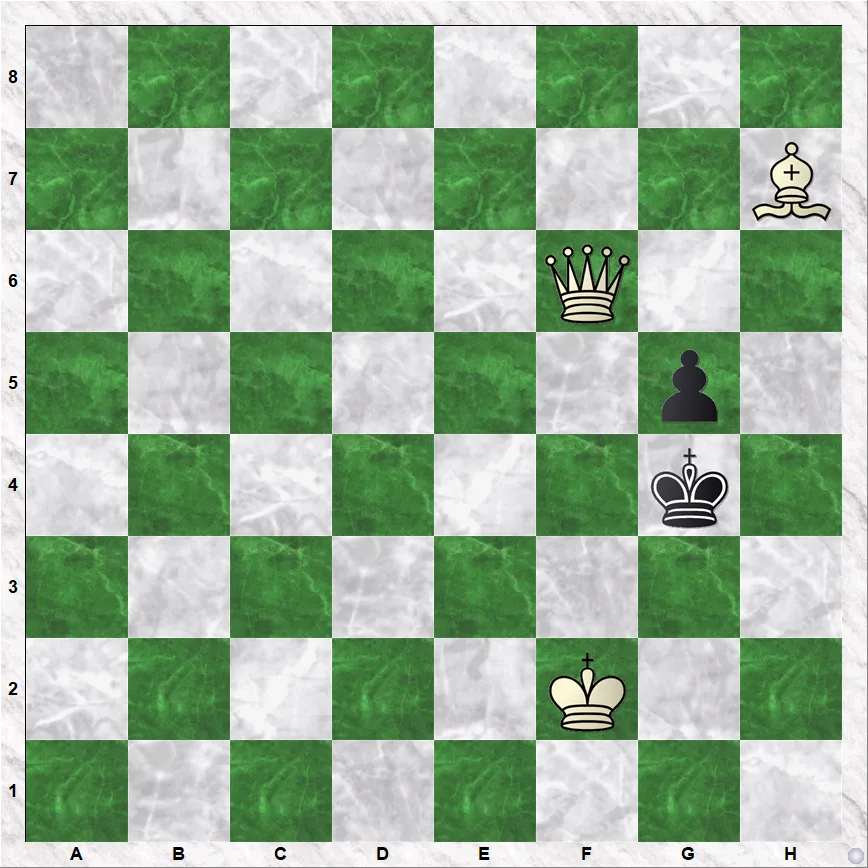
There is only one single way to achieve mate in two moves. Check out all your opponent's replies with great care!
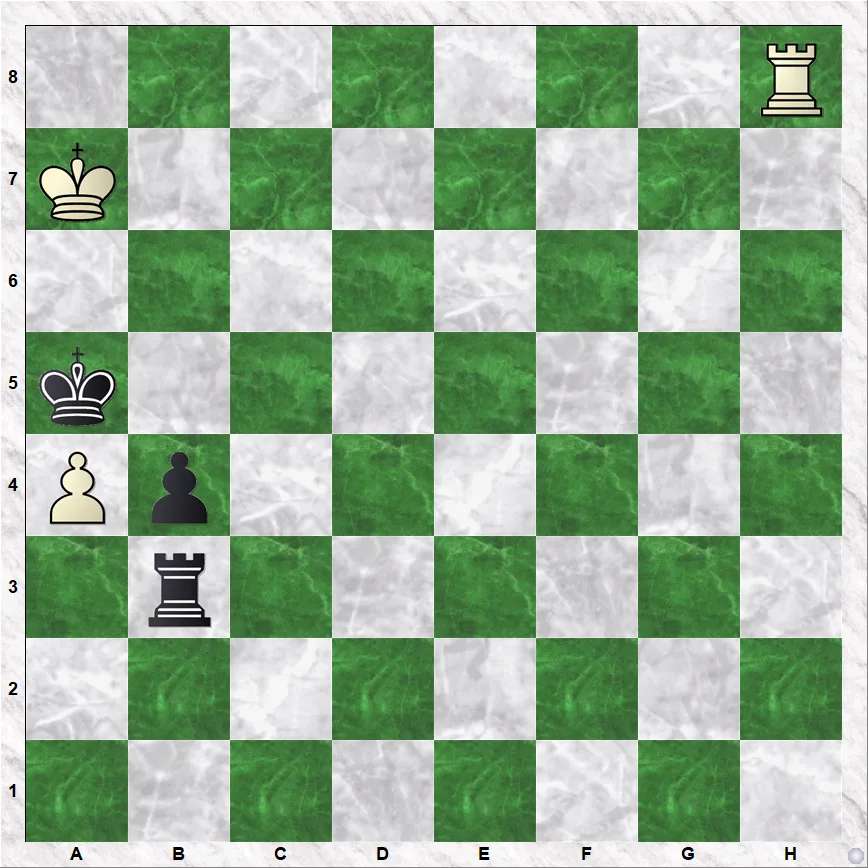
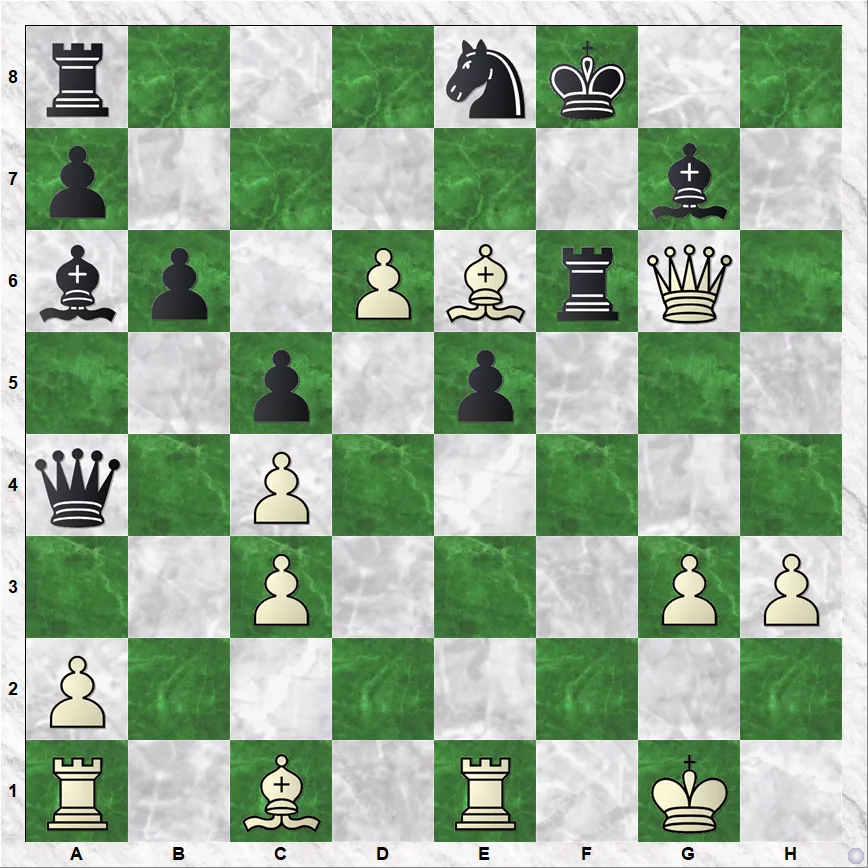
Of course that skill earned while working on exercises mate in two we want to implement in real games (position from the game Abrahams - Zita 1947) :
To conclude! We believe it is more important to find a lot of options in the first few moves than to calculate long variations. Most mistakes occur in the early moves in variations. What is the use of calculating a long and correct variation if your opponent has a much better reply on move one?
Below are solutions in Lichess study: